Okay, so check this out—card-shaped hardware wallets have come a long way. They feel less like a cold, awkward gadget and more like something you could slip into a wallet or hand to a friend. That matters. The first impression counts. For a lot of people, especially newcomers, the idea of “hardware wallet” used to mean a little brick with a screen and buttons. Tangem changed that perception by making a contactless, card-style device that relies on NFC. Simple. Elegant. A little bit magical when it works.
At a glance: Tangem cards store private keys inside a secure element on the card and use NFC to sign transactions via your phone. No batteries, no cables, no recovery phrases in plain text. But—there are tradeoffs. The nuanced bit is balancing convenience with operational security, and that’s what most folks overlook at first. Let’s walk through what Tangem offers, the realistic threat model, and how to use one without tripping over common pitfalls.
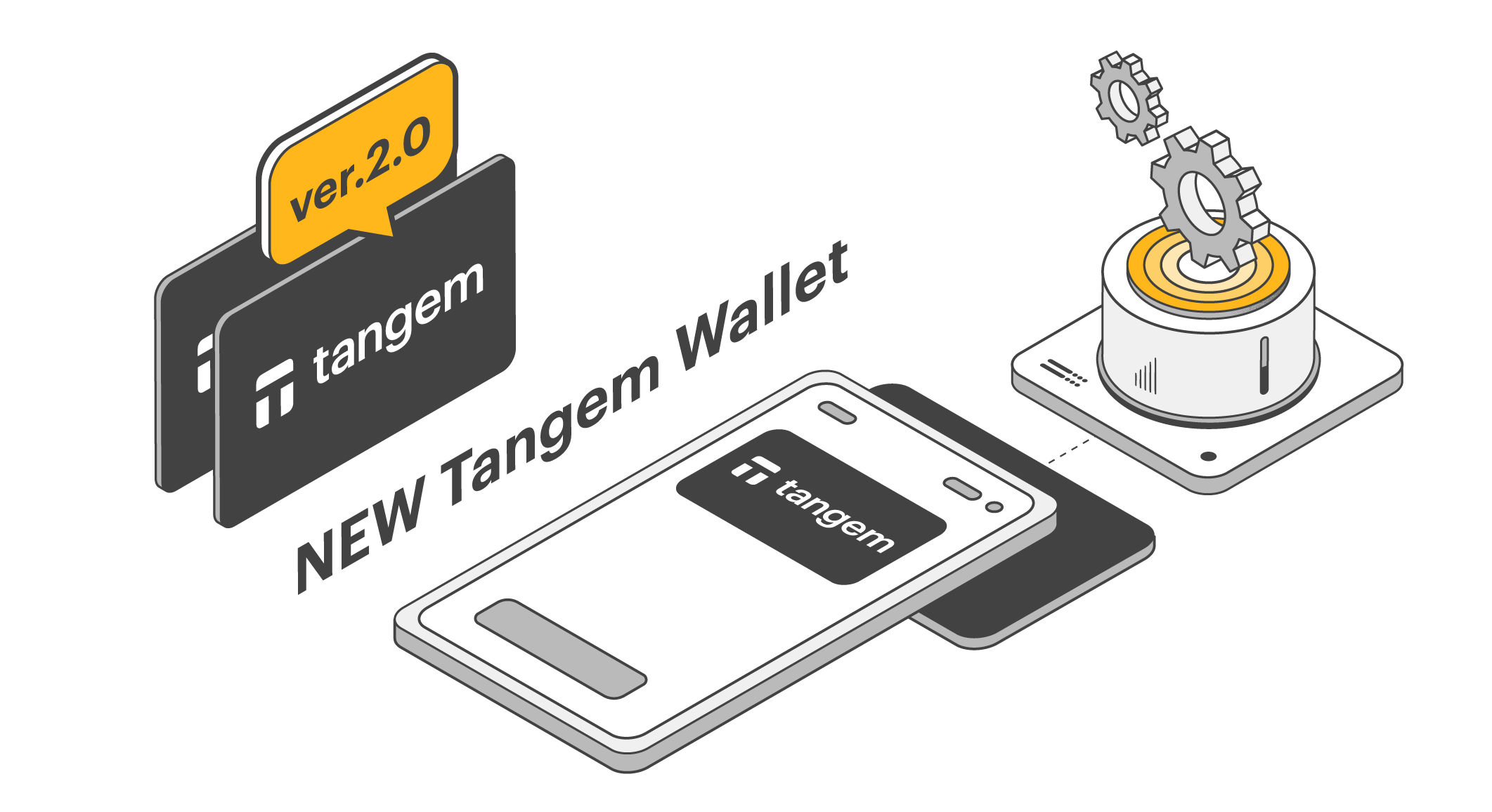
What an NFC hardware wallet actually is
Short version: it’s a hardware wallet that communicates over NFC. Medium version: the private key never leaves the secure chip on the card; your phone sends the transaction, the card signs it, and sends back a signature. Longer version—the card contains a secure element certified to keep secrets safe, often with anti-tamper properties and firmware designed to resist extraction attempts. That means if someone steals your card, they can’t simply read the key without breaking hardware-level protections. Still, physical control matters—if someone forces you to sign a transaction, all bets are off. So you have to think both like an engineer and like a human.
Here’s the catch: usability is excellent, but it changes the backup story. Without a seed phrase written on paper, recovery flows look different. Tangem’s approach often leans on issuing multiple cards or using custodial/third-party recovery mechanisms in some product lines. That’s fine—for many users it’s acceptable and even preferable—but it’s not identical to a 24-word seed stored in your closet.
Why people pick Tangem (and why some don’t)
For many, the appeal is immediate: pocketable form factor, NFC-only convenience, and streamlined UX. You tap your card to your phone and the app walks you through signing. No annoying firmware updates, no cables. For on-the-go users, that’s huge. For institutions wanting a physical token that’s easy to hand out, it’s compelling too.
On the flip side, crypto purists sometimes cringe at the lack of a readable seed phrase. They prefer full offline backups that are human-verifiable. And some privacy-focused users note that NFC interactions can leak metadata (who tapped what, when), depending on app implementations and device telemetry. So if your priority is absolute offline air-gapped signing with canonical seed backups, a traditional device or multisig arrangement might still be preferable.
How Tangem fits into real-world workflows
Think of Tangem as a daily driver for funds you access regularly, or as a form-factor option in a multi-layer strategy. You might keep a small spending stash on a Tangem card for everyday use and a higher-security multisig or steel-seed backup for long-term holdings. That hybrid model is pragmatic: you get everyday usability without exposing your largest holdings to routine risk. It’s not perfect. But it is realistic.
For those who want to dig deeper, the official resource page provides details on Tangem’s product variants and security notes: https://sites.google.com/cryptowalletextensionus.com/tangem-wallet/
Practical setup and safety tips
Start conservative. Treat the card like cash: if you lose it, someone can try to use it. Use strong app-level authentication—PINs, device biometrics, whatever the ecosystem allows. Keep firmware and app versions up to date, and avoid side-loading suspicious wallet apps that claim to work with Tangem. When possible, combine a Tangem card with either a second card (as a cold backup) or a multisig wallet to reduce single-point-of-failure risk.
Also—this part bugs me—don’t assume “no seed phrase” equals “no backup needed.” Some Tangem setups let you issue multiple cards at purchase time, and keeping an extra card in a safe deposit box is a reasonable approach. If your workflow doesn’t support that, plan your backup strategy before you load funds. Very very important.
Threat model—who, exactly, are you protecting against?
On one hand, Tangem’s secure element protects against casual attackers and many targeted hardware extraction attempts. On the other hand, it’s vulnerable to coercion, social-engineering, and certain advanced hardware attacks that are expensive but not impossible for well-funded adversaries. So: use Tangem for the right assets and for the right adversaries. If you’re protecting against a state-level actor, assume no single device is invulnerable. Though actually, for everyday users and small businesses, Tangem raises the bar substantially.
Interoperability and real-world compatibility
Tangem tends to play nicely with mobile wallets that support NFC signing or with their native app. Check compatibility for tokens you care about—some altcoins or newer token standards might need bridge apps or third-party integrations. Wallet ecosystem maturity varies by chain, so test with small amounts first. If you plan to use Tangem with exchanges or DeFi, double-check UX flows to avoid accidentally approving contract calls you didn’t intend.
Frequently asked questions
Can I recover my funds if I lose my Tangem card?
It depends on the product and setup. Some Tangem solutions allow multiple cards to be issued as backups; others rely on third-party recovery options or multisig to provide redundancy. Always set up backups proactively—don’t wait until after you’ve loaded significant funds.
Is NFC secure enough for signing transactions?
NFC itself is a communication layer; the security comes from the secure element on the card and the signing protocols. For most threat models, an NFC hardware wallet is secure. But keep in mind potential metadata leaks and the need to secure the phone interacting with the card.
Who should (and shouldn’t) use a Tangem card?
Good candidates: mobile-first users, retail employees who need a simple token, people prioritizing ease of use. Less ideal: users who demand human-readable seed backups as the only recovery option, or those facing very high-level adversaries without a broader security posture.